


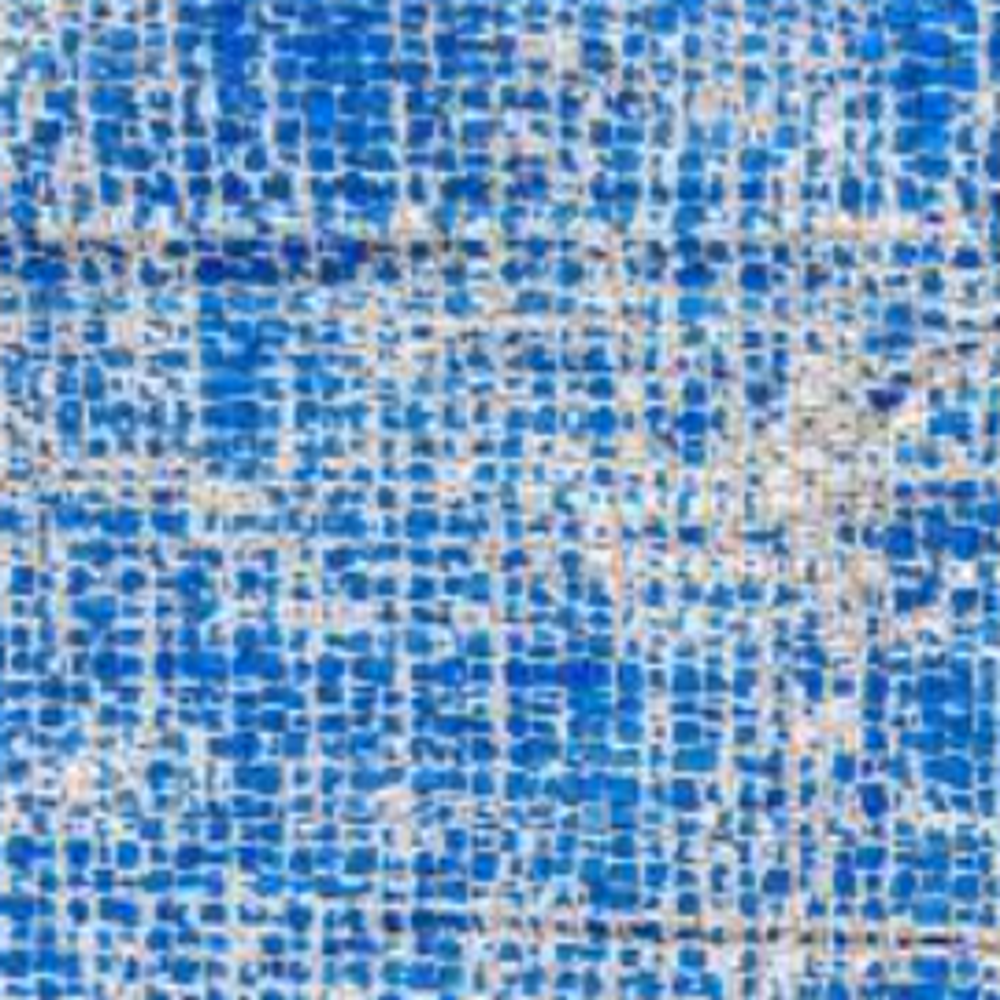
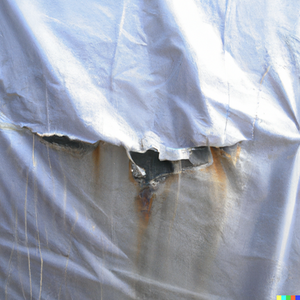
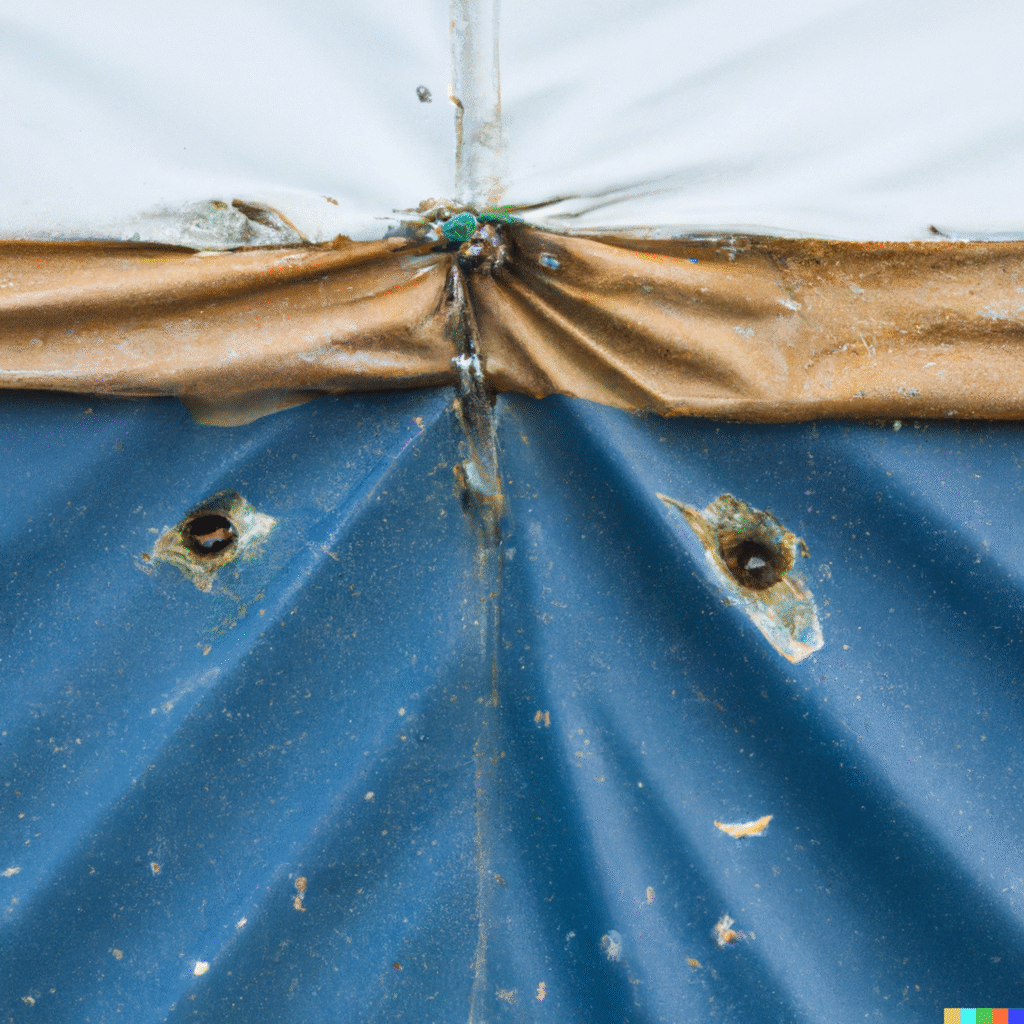
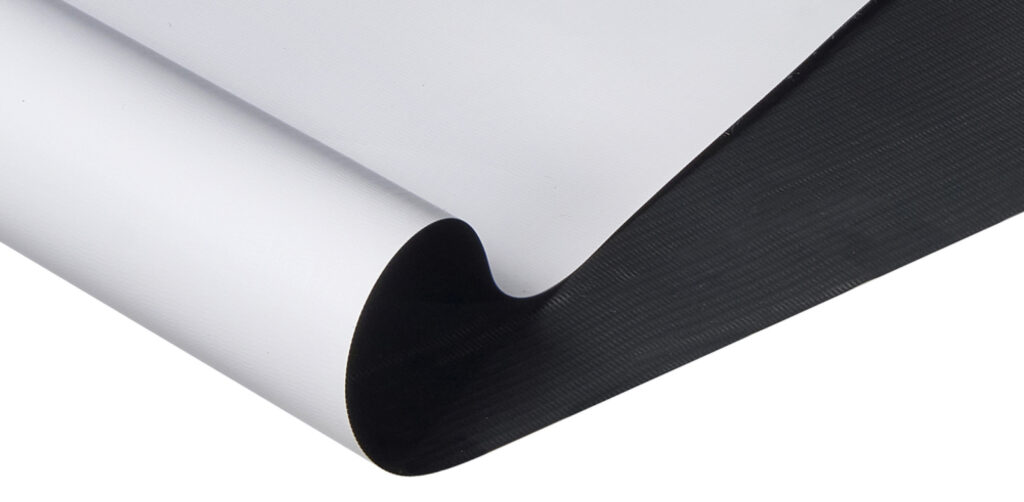
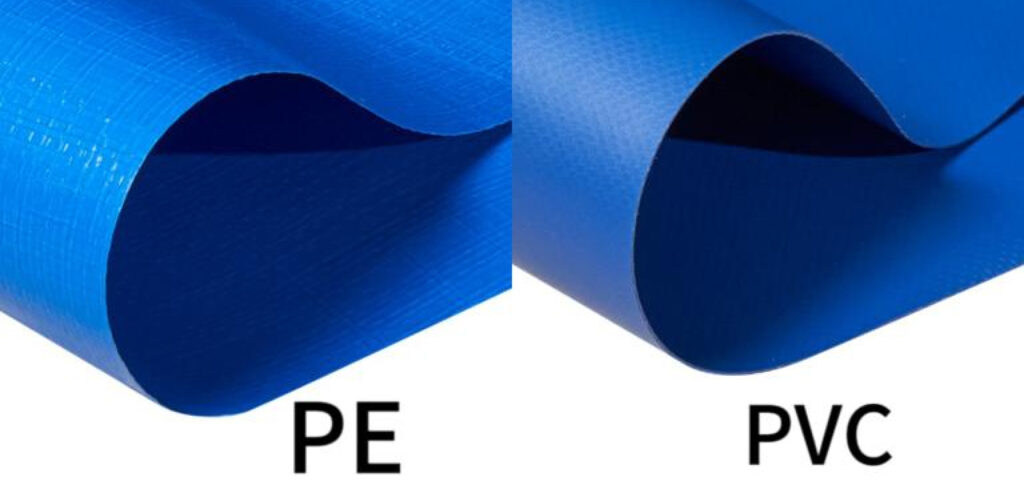
- Look for signs of cracking, fading, and discoloration.
Cracking, fading, and discoloration in tarpaulins are signs of wear and tear. They indicate that the tarpaulin is close to its end of life and needs to be replaced. In some cases, these signs can also point to improper installation or storage of the tarpaulin. Thus, it is important to inspect tarpaulins regularly for these signs to ensure that they are still in good condition and are able to provide the necessary protection.
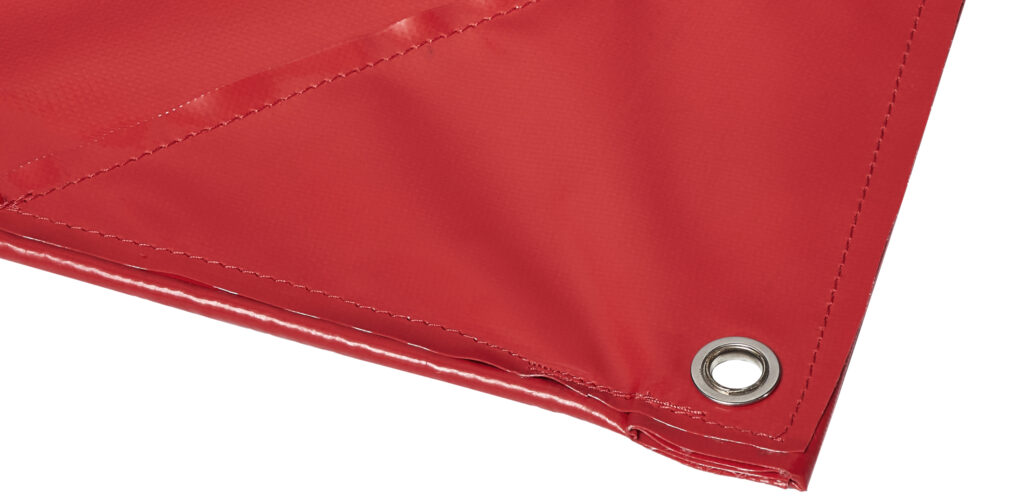
- Check the stitching for signs of wear and tear.
Checking the stitching of tarpaulins is important for ensuring that the tarpaulin is able to hold up to the elements, and provide long-term protection for whatever items it is covering. The stitching of the tarpaulin should be secure and even, with no loose threads or gaps. It should also be done with a strong, durable thread that will not fray or snap easily. Inspecting the stitching of tarpaulins is also important for ensuring that it will hold up well and provide adequate protection from the elements.
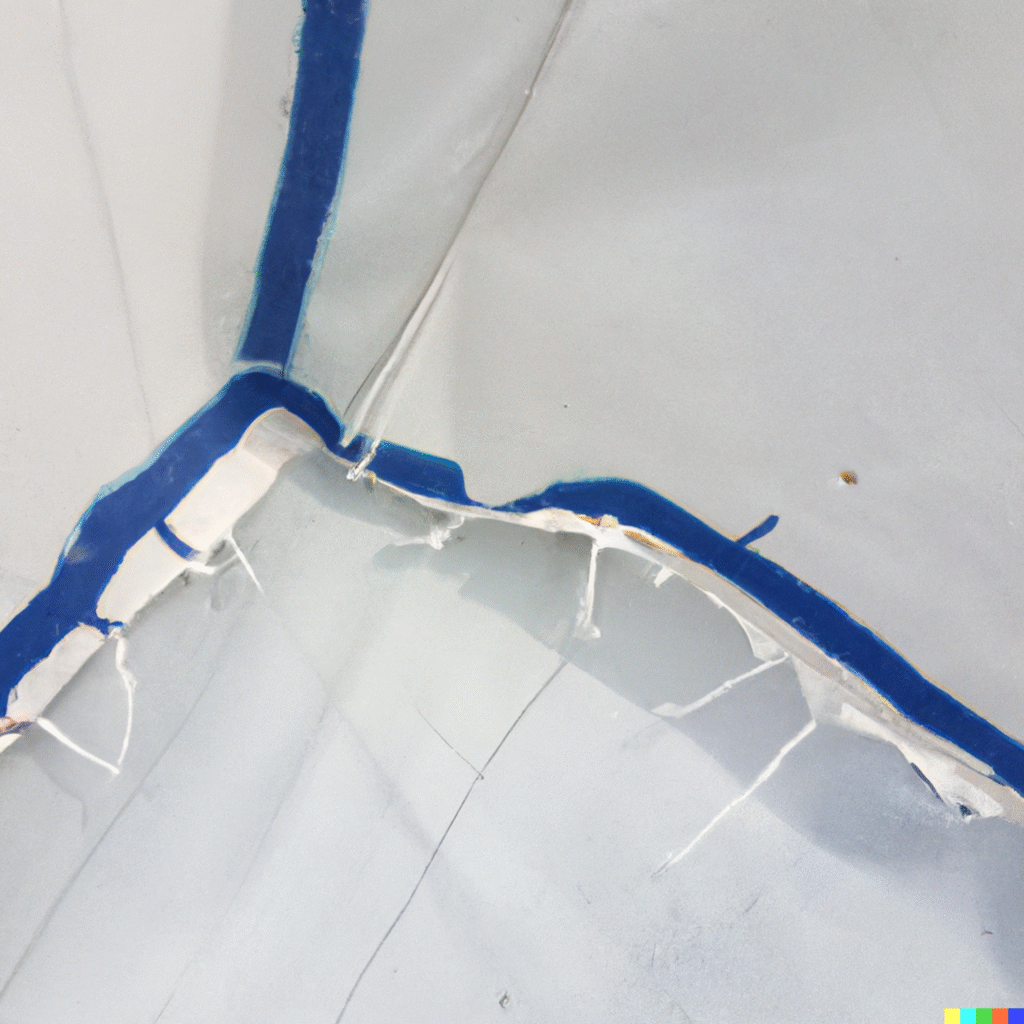
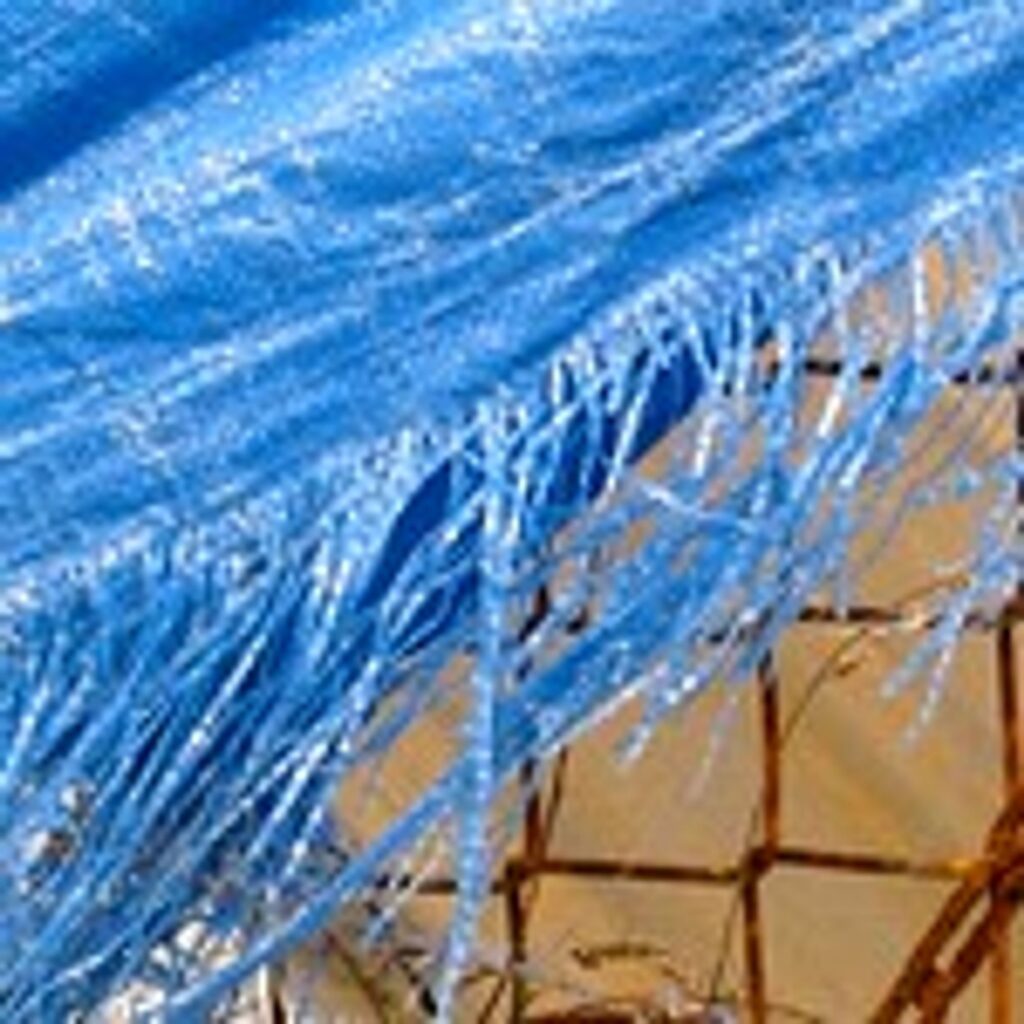
- Inspect the tarp’s edges for signs of fraying or tearing.
Inspecting tarpaulins edges for signs of fraying or tearing is important for two reasons. First, fraying or tearing of the edges can lead to the tarpaulin becoming less effective in providing the protection or shelter that it is intended to provide. This could result in items being exposed to the elements and potentially being damaged. Secondly, fraying or tearing of the edges can also cause the tarpaulin to become weakened and potentially tear entirely if not addressed. This could lead to serious safety issues, such as objects or people being injured by a tarpaulin that is no longer providing the necessary protection. Therefore, it is important to regularly inspect tarpaulins for signs of fraying or tearing to ensure that they remain in good condition.
- Rust or corrosion on the grommets or eyelets.
Inspecting the rust or corrosion on grommets or eyelets on a tarpaulin is important to ensure that the tarpaulin is still in good condition and that it will be able to provide adequate protection against the elements. If the grommets or eyelets are corroded, they may not be able to securely hold the tarpaulin in place and could lead to water or other elements entering the tarpaulin and causing damage. Additionally, rust or corrosion on the grommets or eyelets could cause the tarpaulin to tear when it is pulled or tugged, which could lead to further damage. By inspecting the rust or corrosion on the grommets or eyelets, you can ensure that the tarpaulin will be able to protect your belongings and will remain in good condition for as long as possible.
Final Notes
If you happen to notice any of these features, it would be beneficial to head down to CN Canvas to discuss a replacement alternative. However, if there are any minor tears or damage, getting a Petack from us could also be a much cheaper solution!
Related Products
Related Articles
Recent Articles
Featured Products
210D Nylon Oxford PU Coated Canvas Tarpaulin
In stock
This product has multiple variants. The options may be chosen on the product page
420D Nylon Oxford PVC Coated Canvas Tarpaulin
In stock
This product has multiple variants. The options may be chosen on the product page